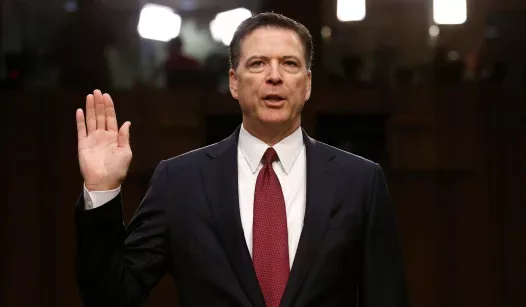
The indictment against former FBI Director James Comey has sparked significant debate and controversy. Many observers find the case perplexing, questioning the motivations and implications behind it. In this article, we will explore the key aspects of the indictment, the broader political context, and why many believe it should ultimately be dismissed.
James Comey, who gained notoriety for his role in the investigations surrounding the 2016 presidential election, has been a polarizing figure in American politics. His actions, particularly regarding the investigation into Hillary Clinton’s emails and his public statements about the status of that investigation, have drawn both praise and criticism. However, the recent indictment raises questions about the integrity of the legal process and the influence of politics on judicial decisions.
At its core, the indictment against Comey revolves around allegations of misconduct during his tenure as FBI Director. Critics argue that the charges are politically motivated, aimed at undermining Comey’s credibility and, by extension, the investigations he oversaw. This sentiment is echoed by many legal experts who believe that the indictment lacks substantial evidence and is more of a political maneuver than a legitimate legal action.
The political climate in the United States has become increasingly charged, with partisan divides deepening and accusations flying from all sides. The indictment against Comey seems to be a reflection of this environment, where legal actions are sometimes perceived as tools for political gain rather than as impartial applications of justice. This perception is troubling for the integrity of the judicial system and raises questions about the potential for abuse of power.
Furthermore, the implications of this case extend beyond Comey himself. If the indictment is allowed to proceed, it could set a dangerous precedent for future political figures. The fear is that any public official could be targeted for their decisions and actions while in office, leading to a chilling effect on governance. Officials may become hesitant to make bold decisions or take necessary actions for fear of legal repercussions that could be politically motivated.
Supporters of the indictment argue that accountability is essential for public officials, and that Comey’s actions warrant scrutiny. However, it is crucial to differentiate between legitimate accountability and politically driven attacks. Many believe that the latter undermines the foundational principles of democracy and justice.
In light of these considerations, it is essential for the judicial system to carefully evaluate the merits of the case against Comey. A dismissal of the indictment would not only serve justice in this specific instance but would also reinforce the importance of maintaining a clear boundary between legal proceedings and political agendas. The rule of law should prevail, free from the influence of partisan politics.
As the legal proceedings unfold, it is vital for the public to remain informed and engaged. Understanding the intricacies of this case and its broader implications for American politics is critical. This situation serves as a reminder of the delicate balance between accountability and the potential for political overreach within the judicial system.
In conclusion, the indictment against James Comey raises significant questions about the intersection of law and politics in the United States. Many believe that the case should be dismissed due to its perceived political motivations and the potential consequences for public officials in the future. As this situation develops, it will be essential to monitor its impact on the political landscape and the integrity of the judicial system.