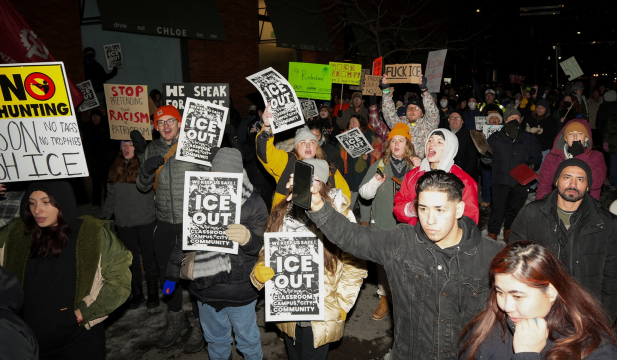
Renee Nicole Good’s death highlights a troubling trend in the direct-action protest strategies employed by organizations like ICE Watch. While the focus often lands on Immigration and Customs Enforcement (ICE) as the primary antagonist in the conversation about immigration policies, it is essential to examine the broader implications of grassroots movements and their tactics.
ICE Watch has emerged as a prominent player in the landscape of immigration activism, advocating for the rights of undocumented individuals and challenging ICE operations. However, as Good’s tragic case illustrates, the methods used by such organizations can sometimes lead to unintended consequences. The urgency of activism can overshadow the need for careful planning and consideration of the potential risks involved.
The death of Good, who was reportedly targeted by ICE Watch’s efforts, raises critical questions about the effectiveness and safety of direct-action protests. While the organization aims to bring attention to the injustices faced by immigrants, the strategies employed can inadvertently endanger lives. This paradox is at the heart of the conversation around ICE Watch and similar groups.
In understanding the dynamics at play, it is crucial to recognize the motivations behind ICE Watch’s actions. The organization seeks to dismantle a system perceived as oppressive, advocating for the rights of those caught in the crosshairs of immigration enforcement. However, the aggressive tactics often associated with direct-action protests can provoke backlash, complicating the very issues these activists strive to address.
Furthermore, the situation underscores the need for a balanced approach to activism. While passionate advocacy is vital, it is equally important to consider the long-term effects of protest strategies on individuals and communities. The goal should be to foster dialogue and create solutions that protect the vulnerable rather than escalating tensions that may lead to tragic outcomes.
As the conversation around immigration continues to evolve, it is imperative for activists and organizations to reflect on their methods. The focus should shift from solely targeting ICE to addressing the systemic issues that contribute to the struggles faced by immigrants. This includes advocating for comprehensive immigration reform, providing support services, and fostering community engagement.
In conclusion, the tragedy surrounding Renee Nicole Good serves as a poignant reminder of the complexities involved in activism. While organizations like ICE Watch play a vital role in raising awareness, it is essential to approach activism thoughtfully and strategically. By prioritizing safety and constructive dialogue, the movement can work towards meaningful change without compromising the lives of those it aims to protect.