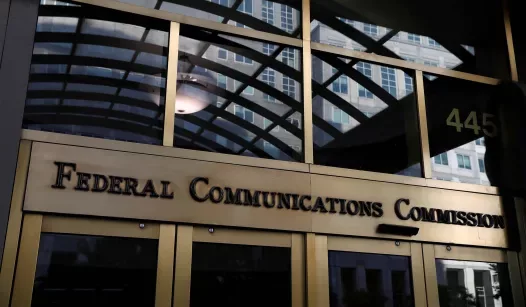
The Federal Communications Commission (FCC) has long been a cornerstone of American telecommunications policy, established in 1934 as part of the New Deal’s efforts to regulate and promote communication across the nation. However, as we navigate the complexities of the modern digital landscape, it is increasingly clear that the FCC may be more of a relic than a relevant regulatory body. This article explores the historical context of the FCC, its evolving role in American society, and the arguments for reassessing its relevance in today’s fast-paced, technology-driven world.
The FCC was created during a time when radio was the primary medium for mass communication. Its mission was to regulate interstate and international communications by radio, television, wire, satellite, and cable. Over the decades, the agency has adapted to changes in technology, expanding its jurisdiction to cover emerging platforms like the internet. However, the question remains: is the FCC equipped to handle the challenges posed by today’s digital age?
One of the primary criticisms of the FCC is that it operates under outdated principles that do not align with the realities of modern communication. For example, the regulatory framework established in the 20th century was designed for a world where a few large companies controlled the airwaves. In contrast, today’s communication landscape is characterized by a multitude of platforms and providers, including social media giants and streaming services, which often operate independently of traditional regulatory oversight.
Moreover, the FCC’s approach to net neutrality—a principle that advocates for equal treatment of all internet traffic—has been a contentious issue. The agency has oscillated between enforcing and dismantling net neutrality regulations, leaving consumers and providers in a state of uncertainty. Critics argue that this inconsistency undermines the FCC’s credibility and effectiveness as a regulatory body. They contend that a more stable and transparent framework is necessary to ensure fair access to the internet for all users.
Another concern is the FCC’s handling of media ownership regulations. Originally designed to promote diversity and prevent monopolistic practices, these regulations have been relaxed over the years, leading to increased consolidation in the media industry. As a result, a handful of corporations now control a significant portion of the media landscape, raising alarms about the potential for biased reporting and the erosion of local journalism. Many believe that the FCC should take a more active role in promoting media diversity and protecting the interests of local communities.
In addition to these regulatory challenges, the FCC faces criticism for its perceived lack of responsiveness to the needs of consumers. As technology evolves, so do the expectations of the public. Consumers today demand high-speed internet access, reliable service, and transparency in pricing. However, many feel that the FCC has been slow to act on these issues, often prioritizing the interests of large telecommunications companies over those of everyday Americans.
The debate surrounding the FCC’s relevance is not merely academic; it has real-world implications for millions of Americans. As the digital divide persists, with rural and low-income communities often lacking access to reliable internet service, the need for effective regulation is more pressing than ever. Advocates for reform argue that the FCC should focus on bridging this divide by implementing policies that promote equitable access to technology, rather than clinging to outdated frameworks.
As we consider the future of the FCC, it is essential to reflect on its original mission and whether it still serves the public interest. Some suggest that a complete overhaul of the agency is necessary, while others advocate for targeted reforms that modernize its operations without discarding its foundational principles. The challenge lies in finding a balance between regulation and innovation, ensuring that the FCC can adapt to the rapidly changing landscape of communication.
In conclusion, the FCC stands at a crossroads. While its historical role in shaping American communication is undeniable, the agency’s relevance in the digital age is increasingly questioned. As we move forward, it is crucial to reassess the FCC’s mission and structure to ensure it can effectively address the challenges of modern telecommunications. By doing so, we can better serve the interests of all Americans and foster a more equitable and innovative communication landscape.