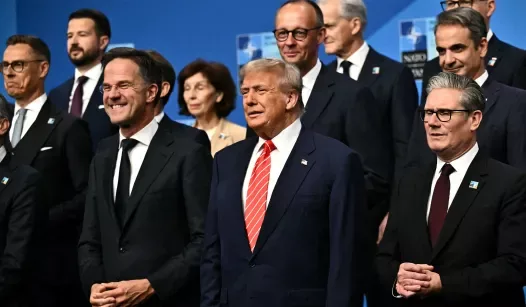
In an increasingly complex global landscape, the United States must prioritize its relationships with allies to secure a prosperous future. The challenges we face today—from geopolitical tensions to economic uncertainties—underscore the importance of collaboration and mutual support among nations. As we look ahead, it is imperative that we not only maintain but also enhance our alliances through strategic trade, integration, and cooperative initiatives.
To begin with, the U.S. has long been a leader in promoting a rules-based international order. However, this leadership role is not something that can be taken for granted. As emerging powers assert their influence, it is essential for the United States to actively engage with its allies to ensure that the values of democracy, human rights, and free markets continue to thrive. This means demanding more from our partners—not in terms of financial contributions alone, but in terms of shared responsibility and commitment to collective security.
One of the key areas where we can foster stronger alliances is through trade. The U.S. should work to create fair and reciprocal trade agreements that benefit not only American workers but also those in allied nations. By promoting economic interdependence, we can build a network of countries that are invested in each other’s success, thus reinforcing the U.S.-led order. This approach not only strengthens our economy but also creates a united front against adversarial forces that may seek to undermine our interests.
In addition to trade, integration plays a vital role in securing our alliances. This can be achieved through various means, such as joint military exercises, collaborative research initiatives, and cultural exchanges. By deepening ties at multiple levels, we can foster a sense of shared purpose and solidarity among nations. When allies see themselves as part of a larger community, they are more likely to stand together in times of crisis.
Cooperation is another cornerstone of effective alliances. The U.S. must engage in open dialogues with its allies to address global challenges, such as climate change, terrorism, and public health crises. By working together, we can pool resources, share knowledge, and develop innovative solutions that benefit all parties involved. This collaborative spirit not only enhances our collective security but also reinforces the notion that the U.S. is a reliable partner in the international arena.
Moreover, the U.S. should also be mindful of the changing dynamics within its alliances. As new leaders emerge and global priorities shift, it is essential to remain adaptable and responsive to the needs of our partners. This means actively listening to their concerns and being willing to adjust our strategies to ensure that everyone feels valued and included in the decision-making process.
In conclusion, to secure the next American century, it is crucial for the United States to strengthen its alliances through trade, integration, and cooperation. By demanding more from our allies and fostering a spirit of collaboration, we can ensure that the U.S.-led order remains resilient in the face of evolving global challenges. Together, we can build a future that not only benefits America but also promotes stability and prosperity for all nations involved.