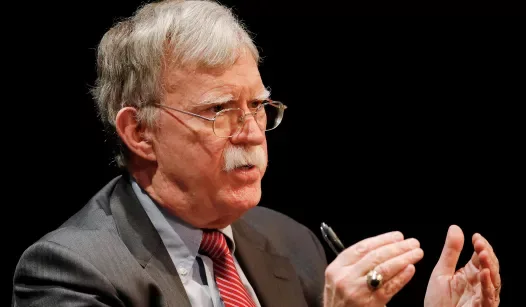
The investigation into John Bolton, the former National Security Advisor under President Trump, has raised eyebrows and sparked skepticism among political analysts and the public alike. Many are questioning whether this inquiry is a genuine pursuit of accountability or merely a strategic move by the Trump administration to silence a vocal critic.
Bolton, known for his hawkish foreign policy views and candid opinions, has become a prominent figure in the ongoing political discourse. His recent book, “The Room Where It Happened,” offered a scathing critique of the Trump administration, detailing various incidents and decisions that he claims reflect poorly on the president’s leadership. In response, the Trump administration has launched an investigation that critics argue is more about retaliation than legitimate concerns.
The timing of the investigation has led many to speculate about its true motives. With the 2020 presidential election approaching, the political landscape is fraught with tension, and any perceived threat to the administration could prompt aggressive countermeasures. Bolton’s outspoken nature and willingness to share his experiences have made him a target, and the investigation seems to be a strategic effort to undermine his credibility.
As the investigation unfolds, it is essential to consider the broader implications for political discourse in the United States. The targeting of critics can create a chilling effect, discouraging others from speaking out against the administration for fear of retribution. This dynamic raises important questions about the health of democracy and the importance of dissenting voices in a functioning political system.
Moreover, the investigation has implications beyond Bolton himself. It reflects a growing trend in contemporary politics where the lines between governance and personal vendettas blur. The use of state power to investigate political opponents can set a dangerous precedent, eroding trust in institutions and further polarizing an already divided electorate.
In analyzing the situation, it’s crucial to maintain a critical perspective. While investigations into public figures can be warranted, the context and motivations behind them matter significantly. The Bolton investigation serves as a reminder of the complexities of political power and the potential for misuse.
As the public awaits further developments, the conversation surrounding the investigation will likely intensify. Citizens must remain vigilant and engaged, advocating for transparency and accountability in government. The outcome of this investigation could have lasting effects on the political landscape, influencing how future administrations interact with dissent and criticism.
In conclusion, the Bolton investigation warrants skepticism not only due to its timing and context but also because of the potential implications for political discourse in the United States. As the nation navigates a politically charged environment, it is essential to uphold the values of free speech and accountability, ensuring that all voices can be heard without fear of retaliation.