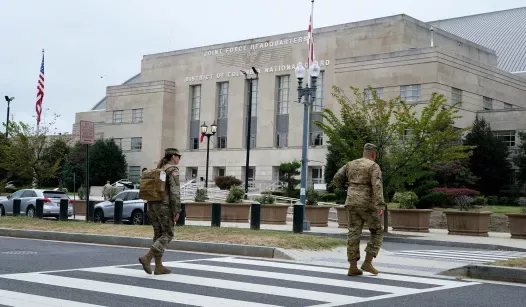
In recent years, the political landscape in Washington, D.C. has faced numerous challenges that require more than just temporary fixes. While the President has the authority to deploy the National Guard to address immediate crises, such actions may not be the most prudent approach for fostering lasting change. Instead, a comprehensive strategy is essential to tackle the underlying issues facing the capital.
The deployment of the National Guard can be a necessary response to urgent situations, such as civil unrest or security threats. However, relying on military intervention as a primary solution can lead to a cycle of short-term fixes that fail to address the root causes of the problems at hand. D.C. is grappling with a multitude of issues, including political polarization, social inequality, and systemic inefficiencies, all of which demand thoughtful and sustained solutions.
Political polarization has reached unprecedented levels in recent years, creating an environment where compromise and collaboration are increasingly difficult. This division is not only evident in Congress but also resonates throughout the electorate. Citizens often feel disconnected from their representatives, leading to disillusionment with the political process. To bridge this divide, initiatives that promote dialogue and understanding among diverse groups are crucial. Encouraging community engagement and fostering bipartisan cooperation can help restore faith in the democratic process.
Additionally, social inequality remains a pressing concern in D.C. Despite being the seat of government, the capital is home to stark disparities in wealth and access to resources. Many residents struggle with poverty, inadequate housing, and limited access to quality education and healthcare. Addressing these issues requires a multifaceted approach that includes affordable housing initiatives, educational reforms, and comprehensive healthcare access. Policymakers must prioritize investments in underserved communities to create a more equitable society.
Systemic inefficiencies in government operations also contribute to the challenges facing D.C. Bureaucratic red tape and outdated processes can hinder effective governance and impede progress on critical issues. Streamlining government operations and embracing innovative solutions, such as technology integration, can enhance efficiency and responsiveness. By modernizing systems and improving transparency, the government can better serve its constituents and regain public trust.
In conclusion, while deploying the National Guard may provide immediate relief in times of crisis, it is not a sustainable solution for the complex problems facing Washington, D.C. A long-term strategy that addresses political polarization, social inequality, and systemic inefficiencies is essential for fostering meaningful change. By prioritizing collaboration, community engagement, and innovative governance, D.C. can work towards a more inclusive and effective political landscape.