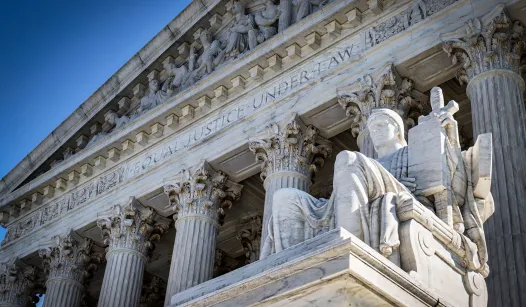
The federal courts are facing a year fraught with challenges and uncertainties. As we navigate a complex political landscape, the judiciary finds itself increasingly vulnerable to various pressures, including the rise of lawfare and a series of ongoing national emergencies. These factors not only threaten the integrity of the judicial system but also raise critical questions about the balance of power in the United States.
Lawfare, the strategic use of legal systems to achieve political or military objectives, has become a prominent tool in contemporary politics. This trend has seen individuals and groups leveraging the courts to further their agendas, often resulting in a barrage of litigation that can overwhelm judicial resources. The implications of this practice are profound, as it can lead to a politicization of the judiciary, where court decisions are less about impartial justice and more about the influence of powerful interests.
At the same time, the United States is grappling with a series of emergencies that place additional strain on the judicial system. From public health crises to natural disasters and civil unrest, the courts are often called upon to address urgent issues that require swift and decisive action. However, the constant state of emergency can lead to rushed decisions, diminished scrutiny, and a potential erosion of civil liberties, as the judiciary may be compelled to prioritize expediency over thorough deliberation.
The intersection of lawfare and emergencies raises critical concerns about the future of the judiciary. As cases pile up and resources dwindle, the ability of federal courts to function effectively is jeopardized. The increasing politicization of the courts, fueled by lawfare tactics, could undermine public confidence in the judicial system, leading to a perception that justice is no longer blind but rather influenced by external forces.
Moreover, these challenges are compounded by the ongoing debates surrounding judicial appointments and confirmations. The political climate in Washington has become increasingly contentious, with both parties vying for control over the judiciary. This struggle not only affects the composition of the courts but also shapes the broader narrative around judicial independence and accountability.
As we look ahead, it is essential for all stakeholders—lawmakers, legal professionals, and the public—to engage in thoughtful discussions about the future of the judiciary. Protecting the integrity of the courts requires a collective effort to uphold the principles of justice and fairness. It is crucial to ensure that the judiciary remains a bastion of democracy, capable of withstanding the pressures of lawfare and the demands of an ever-changing political landscape.
In conclusion, the federal courts are entering a critical period that will test their resilience and commitment to justice. As lawfare tactics proliferate and emergencies continue to challenge the system, the judiciary must navigate these turbulent waters with a steadfast dedication to upholding the rule of law. The health of our democracy depends on a robust and independent judiciary, and it is up to all of us to safeguard this vital institution.