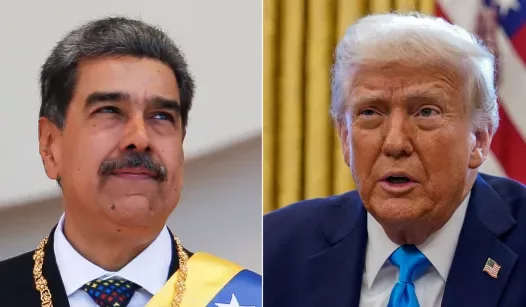
The recent military action ordered by former President Trump, which involved a lethal strike on a vessel purportedly transporting illegal narcotics, has reignited concerns about the United States’ relationship with Venezuela. This incident not only raises questions about the legality and justification of such an action but also highlights the growing tensions between the two nations.
The strike, characterized by some as a necessary measure in the fight against drug trafficking, has been met with mixed reactions. Supporters argue that it demonstrates a commitment to combating the influx of illegal drugs into the U.S., while critics warn that it could escalate into a more significant conflict. The implications of this military action are profound, as they touch on issues of sovereignty, international law, and the ongoing humanitarian crisis in Venezuela.
Venezuela has been grappling with severe political and economic turmoil for years, leading to widespread poverty and a mass exodus of its citizens. The U.S. has long criticized the Maduro regime for human rights abuses and corruption, imposing sanctions in an effort to pressure the government into reform. However, the recent military engagement raises the stakes and brings into question the U.S. strategy in the region.
As the situation unfolds, it is crucial for Americans to stay informed about the developments in U.S.-Venezuela relations. The potential for escalation into a military conflict could have far-reaching consequences, not only for the two countries but also for regional stability in Latin America. Understanding the complexities of this relationship is essential for anyone interested in the current political landscape and its implications for U.S. foreign policy.
In conclusion, the strike against the Venezuelan ship is a pivotal moment that underscores the fragile state of relations between the U.S. and Venezuela. As political dynamics continue to shift, it is vital for citizens to engage with this topic, ensuring they are well-informed about the potential ramifications of U.S. actions abroad.