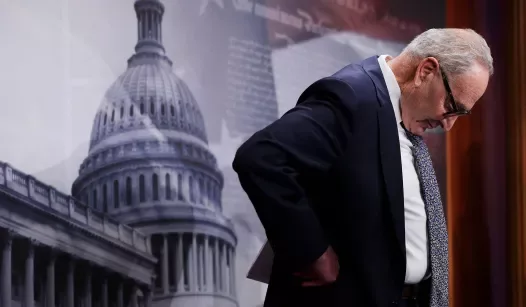
As the political landscape in the United States continues to evolve, the specter of a government shutdown is once again looming over the horizon. This recurring theme in American politics raises significant concerns about the implications for federal services, employees, and the broader economy. In this article, we will explore the current situation, the factors leading to the potential shutdown, and what citizens can expect if it occurs.
The prospect of a government shutdown is not new; it has been a contentious issue for years, often arising from disagreements over budget allocations, policy priorities, and partisan politics. As lawmakers grapple with the complexities of funding the federal government, the clock is ticking, and the deadline for reaching an agreement is fast approaching.
At the heart of the issue is the ongoing debate over government spending. With various factions within Congress advocating for different priorities, reaching a consensus has proven to be increasingly challenging. The divide between Democrats and Republicans has widened, with each side leveraging the budget as a tool to advance their respective agendas. This has resulted in a stalemate that threatens to leave essential services unfunded and government operations in limbo.
In the past, government shutdowns have had far-reaching consequences. During the most recent shutdown in 2018-2019, hundreds of thousands of federal employees were furloughed, national parks closed, and critical services were disrupted. The economic impact was felt beyond the immediate loss of wages for government workers, as local businesses that rely on federal employee spending also suffered. The potential for a similar outcome looms large as negotiations continue.
As we navigate this uncertain terrain, it is essential for citizens to stay informed about the developments in Washington. Understanding the underlying issues and the positions of various political players can provide insight into how the situation may unfold. It is also crucial to recognize the broader implications of a government shutdown, not just for federal employees but for everyday Americans who depend on government services.
In addition to the impending budget crisis, the political landscape is further complicated by ongoing discussions around critical issues such as climate change, healthcare, and social justice. These topics remain at the forefront of political discourse, and the outcomes of budget negotiations can significantly influence progress in these areas.
One notable figure in the realm of environmental advocacy is Jane Goodall, whose work has inspired countless individuals to engage in conservation efforts. While her focus is primarily on wildlife and environmental issues, the intersection of politics and climate change is increasingly relevant. As policymakers debate funding for environmental initiatives, the importance of voices like Goodall’s cannot be overstated. Her advocacy serves as a reminder of the urgent need for action in the face of global challenges.
As the deadline for a potential government shutdown approaches, it is essential for citizens to remain engaged and informed. Understanding the dynamics at play in Congress, the implications of budgetary decisions, and the voices advocating for change can empower individuals to participate in the democratic process. Whether through contacting representatives, participating in community discussions, or staying updated on the latest news, every citizen has a role to play in shaping the future of our government.
In conclusion, the looming threat of a government shutdown is a critical issue that warrants attention from all Americans. As negotiations unfold, it is vital to recognize the stakes involved and the potential impact on our lives. By staying informed and engaged, we can collectively navigate these turbulent waters and advocate for a government that reflects our values and priorities.