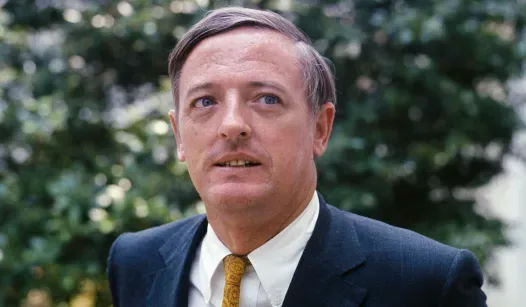
In a series of thought-provoking debates cohosted by the National Review Institute, the enduring influence of William F. Buckley Jr. on American conservatism was highlighted, alongside discussions about the movement’s future. Buckley, a pivotal figure in shaping modern conservative thought, founded the influential magazine National Review in 1955, which played a crucial role in uniting various factions of the conservative movement during a time of political fragmentation.
The debates brought together a diverse group of thinkers, activists, and political leaders to reflect on Buckley’s legacy and to address the pressing questions facing conservatism today. Participants examined how Buckley’s principles of intellectual rigor, civility, and a commitment to limited government can guide contemporary conservatives as they navigate a rapidly changing political landscape.
One key theme that emerged was the necessity for conservatism to adapt while remaining true to its core values. As the political climate in the United States evolves, conservatives are challenged to engage younger generations who may have different perspectives on issues such as social justice, economic inequality, and environmental concerns. The debates underscored the importance of dialogue and the need for conservatives to articulate their vision in a way that resonates with a broader audience.
Another significant aspect discussed was the role of media in shaping political discourse. Buckley was known for his eloquent and often witty debates, and the panelists emphasized the importance of effective communication in today’s digital age. With the rise of social media and the fragmentation of traditional news sources, conservatives must find innovative ways to reach and engage voters, particularly those who are disillusioned with mainstream politics.
The conversations also touched on the ideological divisions within the conservative movement itself. As various factions, including populists, libertarians, and traditional conservatives, vie for influence, the need for unity and a shared vision was highlighted. Participants stressed that while differences in approach are natural, a cohesive conservative platform is essential for success in upcoming elections.
The debates served as a reminder that Buckley’s legacy is not just about preserving the past but also about fostering a vibrant and dynamic future for conservatism. By embracing the lessons learned from Buckley’s life and work, conservatives can better position themselves to address the challenges of the 21st century.
Overall, the discussions cohosted by the National Review Institute were a valuable opportunity for attendees to engage with the ideas that have shaped American conservatism and to consider how those ideas can be applied moving forward. As the political landscape continues to evolve, the principles championed by Buckley—intellectual integrity, civility, and a commitment to fundamental freedoms—remain as relevant today as ever. The future of conservatism may depend on how well its leaders can adapt these lessons to meet the needs of a changing electorate while staying true to the movement’s foundational ideals.