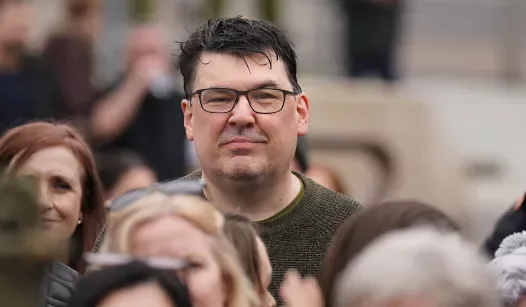
In recent weeks, the arrest of Graham Linehan, a prominent figure known for his outspoken views on transgender issues, has sparked intense debate about freedom of speech in the United Kingdom. This incident serves as a stark reminder of the increasingly illiberal attitudes toward discussions surrounding gender identity and transgender rights. For many, including myself, the implications of such actions are both shocking and concerning.
Linehan’s arrest raises critical questions about the boundaries of free expression in a society that prides itself on democratic values. The events surrounding his detainment highlight a growing trend in which individuals are penalized for expressing dissenting opinions on sensitive topics. This trend is particularly alarming in the context of discussions about transgender rights, a subject that has become highly polarized in recent years.
The situation in England reflects a broader global conversation about the limits of free speech, especially when it intersects with issues of identity and social justice. Advocates for transgender rights argue that safeguarding the dignity and safety of transgender individuals is paramount. However, critics contend that stifling dissenting voices undermines the very principles of open dialogue and debate that a democratic society should uphold.
As the discourse around transgender issues continues to evolve, it is crucial to strike a balance between protecting marginalized communities and upholding the right to free expression. The arrest of Graham Linehan serves as a cautionary tale, illustrating the potential consequences of a society that prioritizes certain narratives over others. In a healthy democracy, all voices should have the opportunity to be heard, even those that may challenge prevailing views.
The implications of this incident extend beyond the immediate context of Linehan’s arrest. It raises fundamental questions about who gets to define acceptable discourse and what happens when individuals step outside those boundaries. As citizens, we must remain vigilant in defending our rights to express differing opinions, even when they are unpopular or controversial.
In the United States, the First Amendment provides robust protections for free speech, allowing individuals to voice their opinions without fear of government reprisal. However, the conversation around free speech is not without its complexities. The rise of cancel culture and the increasing polarization of public discourse have led many to feel that their voices are being silenced. The situation in England serves as a reminder of the importance of safeguarding these freedoms, as they are essential to the functioning of a vibrant democracy.
As we navigate these challenging conversations, it is vital to engage with differing perspectives respectfully and thoughtfully. We must foster an environment where individuals can express their views without fear of retribution while also being mindful of the impact that those views may have on marginalized communities. Finding common ground amidst discord is essential for fostering understanding and promoting constructive dialogue.
In conclusion, the arrest of Graham Linehan is not just an isolated incident; it is indicative of a larger trend that poses significant challenges to free speech and open discourse. As we continue to grapple with complex issues surrounding gender identity and rights, it is imperative that we uphold the values of free expression and respectful dialogue. Only through open conversations can we hope to bridge divides and work toward a more inclusive society.