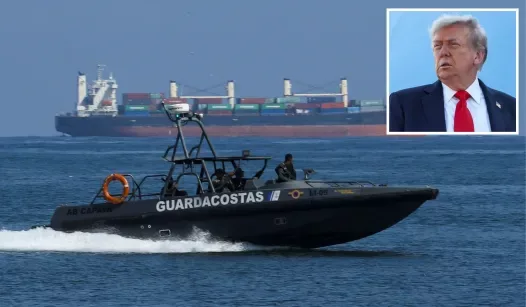
In recent discussions surrounding U.S. military action, President Trump has made headlines with his proposal to engage in lethal strikes against Venezuelan boats, which he claims are operated by narco-terrorists. This bold assertion raises significant questions about the legal and constitutional justifications for such military interventions.
While the president’s concerns about narcotics trafficking and its impact on national security are not unfounded, the absence of a clear legal framework for these proposed strikes is troubling. The Constitution grants Congress the power to declare war, and any military action must adhere to both domestic and international laws, including the laws of war.
As lawmakers grapple with the implications of Trump’s stance, the question arises: where does Congress stand on this issue? The relationship between the executive branch and Congress is crucial in determining the course of U.S. military engagements. Historically, Congress has sought to retain its authority over military actions, particularly when it involves potential conflicts that could escalate into larger military engagements.
In this context, Congress is faced with the challenge of balancing national security interests with its constitutional responsibilities. Lawmakers must carefully consider the ramifications of endorsing or opposing the president’s military strategy. The potential for unintended consequences, including civilian casualties and further destabilization in the region, adds complexity to the decision-making process.
Moreover, the public’s perception of military action can significantly influence congressional responses. As citizens become more aware of the intricacies of foreign policy and military engagements, their opinions can shape the narrative surrounding these actions. Lawmakers are increasingly attuned to the sentiments of their constituents, particularly when it comes to military interventions that may not have widespread support.
As the situation unfolds, it is essential for Congress to engage in thorough discussions about the legal implications of Trump’s proposed military strikes. Lawmakers must consider not only the immediate effects on Venezuela but also the broader implications for U.S. foreign policy and its standing in the international community.
The dialogue surrounding military action against Venezuela is emblematic of larger debates about the role of the U.S. in global conflicts. As the landscape of international relations continues to evolve, Congress will play a pivotal role in shaping the nation’s military strategy and ensuring that it aligns with constitutional mandates and ethical considerations.
In conclusion, the intersection of Trump’s military proposals and congressional authority presents a critical juncture in U.S. politics. As discussions progress, it is imperative for lawmakers to weigh the legal, ethical, and political dimensions of military action, ensuring that any decisions made reflect the values and interests of the American people.