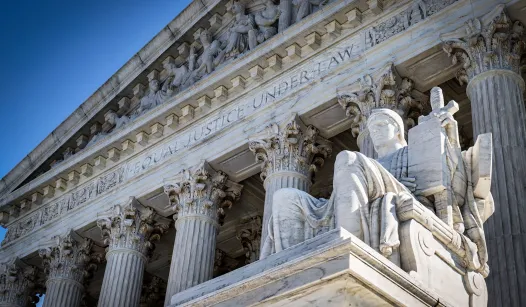
In a landmark case currently under consideration, Colorado’s counseling censorship laws are facing scrutiny that could have significant implications for free speech rights across the nation. The Supreme Court’s decision will hinge on several critical factors that underscore the importance of protecting free expression, particularly within the realm of mental health counseling.
First and foremost, the principle of free speech is foundational to American democracy. The First Amendment guarantees individuals the right to express their thoughts and beliefs without fear of government retribution. In the context of counseling, this right extends to therapists who must navigate complex ethical and professional boundaries. By imposing restrictions on what counselors can communicate, Colorado’s laws threaten to undermine this fundamental freedom.
Secondly, the nature of counseling itself is inherently subjective. Therapists often draw from their own beliefs, experiences, and professional training to guide their clients. The imposition of censorship not only limits the counselor’s ability to provide personalized support but also infringes on the client’s right to receive diverse viewpoints. A robust therapeutic environment thrives on open dialogue, where differing perspectives can be explored without fear of censorship.
Lastly, the potential chilling effect of these laws cannot be overstated. If counselors fear legal repercussions for expressing their views, they may self-censor, leading to a homogenization of therapeutic practices. This stifling of diverse opinions can deprive clients of the rich tapestry of ideas and approaches that contribute to effective counseling. The Supreme Court must consider the long-term implications of allowing such censorship to persist, as it could set a dangerous precedent for free speech in other professional domains.
As the Supreme Court deliberates this case, the stakes are high for both counselors and clients alike. A ruling in favor of free speech would reaffirm the importance of open dialogue in mental health care, ensuring that individuals can seek support without the fear of censorship. Conversely, a ruling that upholds Colorado’s counseling censorship could have far-reaching consequences, potentially stifling free expression in various sectors beyond mental health.
In conclusion, the Supreme Court’s decision on Colorado’s counseling censorship will not only shape the future of mental health care in the state but may also resonate across the nation. As we await the Court’s ruling, it is essential to recognize the critical importance of protecting free speech and fostering an environment where diverse perspectives can flourish. The outcome of this case could serve as a pivotal moment in the ongoing struggle to uphold the principles of free expression that are so vital to our democracy.