In the heart of America’s largest city, the political landscape is shifting, and many New Yorkers are feeling the pressure of a potential radical takeover. As community leaders and citizens alike grapple with the implications of these changes, the question arises: can New Yorkers unite to protect their city from what they perceive as a threat to its core values?
The current political climate in New York is a reflection of broader national trends, where divisions seem to grow deeper by the day. The rise of progressive ideologies has sparked intense debates about governance, public safety, and the future of urban living. For many, the stakes have never been higher, as they witness shifts that could redefine their city’s identity.
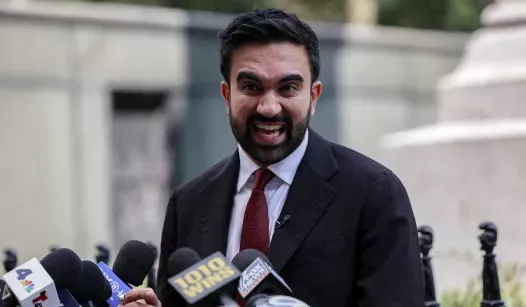
At the center of this controversy is a figure who has become emblematic of the radical changes some residents fear: Mamdani. His policies and rhetoric have ignited passionate responses, both in support and opposition. Supporters argue that his vision for New York is one of inclusivity and reform, aiming to address systemic issues that have long plagued the city. Detractors, however, view his approach as a dangerous departure from the city’s historical values, warning that it could lead to chaos and decline.
This growing divide raises critical questions for New Yorkers: What does it mean to truly unite against a common cause? Is it possible to find common ground amid differing beliefs? The challenges are significant, as political affiliations and personal ideologies often dictate how individuals perceive the unfolding situation.
For some, the answer lies in grassroots movements that aim to foster dialogue and collaboration. Community organizations are stepping up, working tirelessly to bridge gaps and create spaces for constructive conversations. These efforts highlight the importance of local engagement in shaping the future of the city, emphasizing that real change often begins at the neighborhood level.
However, the road to unity is fraught with obstacles. Misinformation and fear can easily derail efforts to come together, making it essential for New Yorkers to seek out reliable sources of information and engage in open discussions. The role of media in shaping perceptions cannot be understated; responsible journalism is crucial in providing the public with the facts needed to make informed decisions.
Moreover, the political landscape is complex, with various factions vying for influence. As the election season approaches, candidates will undoubtedly use the Mamdani debate to rally support, framing their positions in ways that resonate with voters. This environment underscores the necessity for New Yorkers to critically evaluate the candidates and their platforms, ensuring that their voices are heard in the democratic process.
Ultimately, the question of whether New Yorkers can unite against Mamdani—or any radical shift—depends on their willingness to engage with one another. It requires setting aside differences, at least temporarily, to focus on shared goals and values. The challenge is significant, but history has shown that when communities come together, they can effect meaningful change.
As the city continues to navigate these turbulent times, the hope is that New Yorkers will find a way to unite in defense of their beloved city, ensuring that its future reflects the diverse voices and perspectives that make it unique. The path forward may not be easy, but with determination and a commitment to dialogue, a unified front is not only possible—it is essential for the preservation of New York’s identity and values.