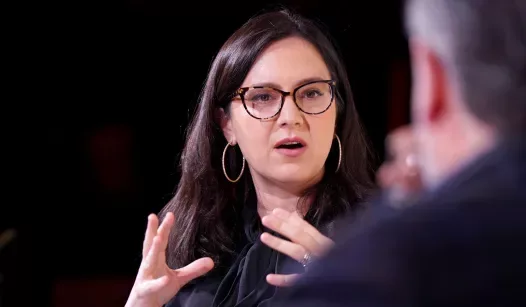
The landscape of American media is undergoing significant changes, and the recent appointment of Bari Weiss at CBS News could be a pivotal moment in the quest for reform. As trust in legacy media continues to wane among the public, Weiss’s arrival brings both hope and skepticism about the future of journalism in the United States.
In recent years, many Americans have expressed growing discontent with traditional news outlets. Numerous surveys indicate that a significant portion of the population feels that mainstream media fails to deliver unbiased and accurate reporting. This erosion of trust has prompted calls for a reevaluation of how news is produced and consumed. Weiss’s career, marked by her commitment to free speech and thoughtful discourse, positions her uniquely to address these challenges.
Weiss gained prominence as an editor and writer at The New York Times, where she championed diverse viewpoints and engaged in conversations that often polarized audiences. Her departure from the Times in 2020 was not just a personal decision; it reflected broader tensions within the media regarding editorial freedom and the role of journalism in a democratic society. Weiss has consistently advocated for a more open and inclusive media environment, one that embraces differing perspectives rather than silencing them.
At CBS, Weiss faces the formidable task of restoring faith in a network that, like many others, has been criticized for perceived bias and sensationalism. The challenge is not merely to report the news but to do so in a way that resonates with an increasingly skeptical audience. Her approach will likely focus on transparency, accountability, and a commitment to journalistic integrity—principles that have been overshadowed in recent years.
The need for reform in media is underscored by the rise of alternative news sources and social media platforms that have filled the void left by traditional outlets. While these platforms can provide diverse perspectives, they also contribute to the spread of misinformation and echo chambers. Weiss’s experience and insights may help bridge the gap between legacy media and the evolving landscape of news consumption.
As Weiss embarks on this new journey, her impact will be closely monitored by both supporters and critics. Advocates for media reform will look to her leadership for signs of positive change, while skeptics may question whether a single appointment can truly alter the course of an entire industry. However, the conversation surrounding media trust is crucial, and Weiss’s role at CBS could be a catalyst for broader discussions about the future of journalism.
In conclusion, Bari Weiss’s new position at CBS News presents an opportunity for meaningful dialogue about the role of media in society. As the public demands greater accountability and transparency from news organizations, Weiss’s commitment to diverse perspectives and open discourse may pave the way for a renewed trust in journalism. The evolution of media is ongoing, and with leaders like Weiss at the forefront, there is hope for a more balanced and trustworthy news landscape in the United States.